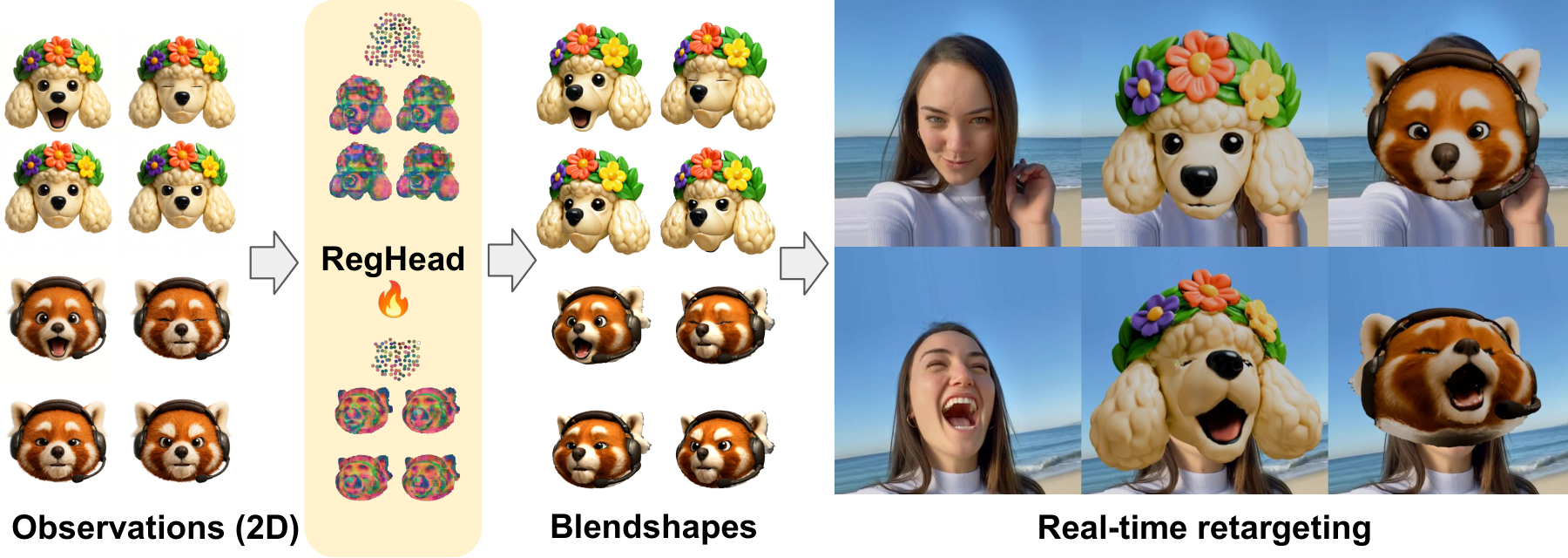
An expression-aligned population of non-humanoid heads
Each identity is one distinct animal head rendered across 10 fixed facial expressions. Because every identity shares the same expression vocabulary, the dataset provides aligned cross-expression pairs for a fixed identity — exactly the supervision needed for blendshape learning, expression editing, and identity-preserving animation.
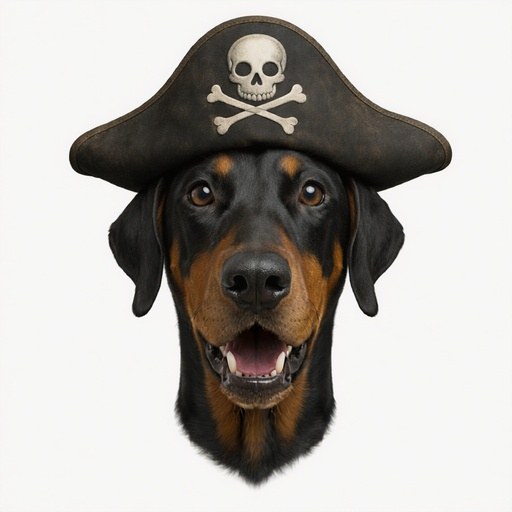
The 10 expressions, one identity
Same expression vocabulary for all 33,724 identities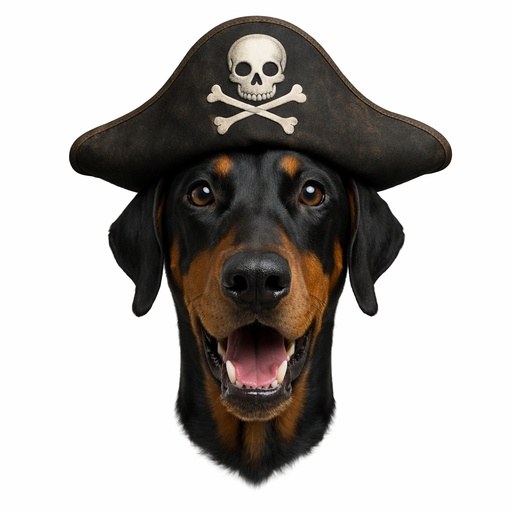
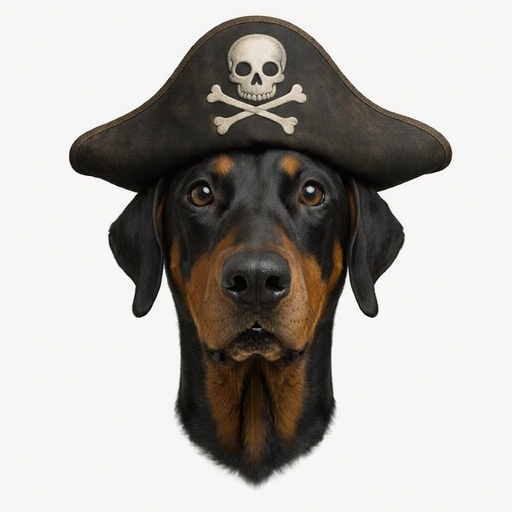
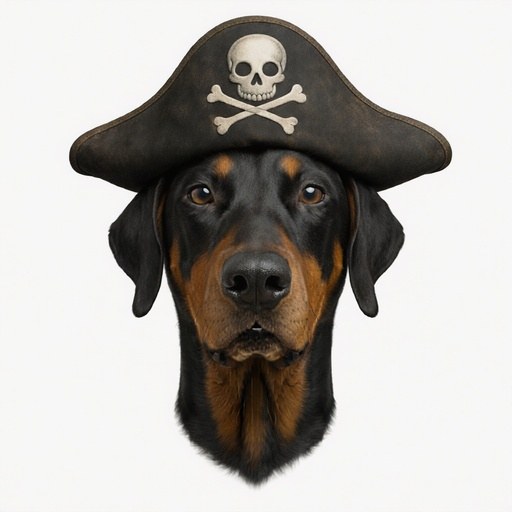
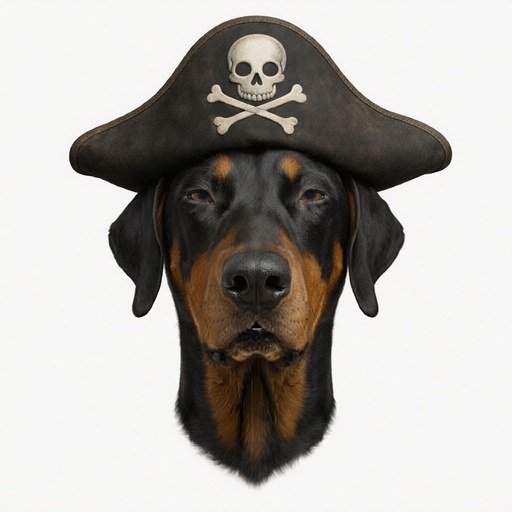
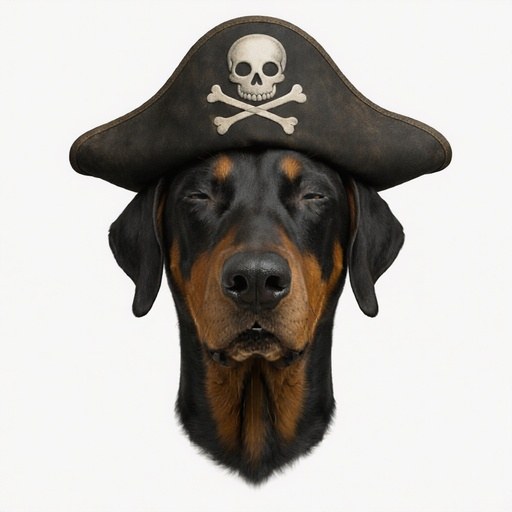
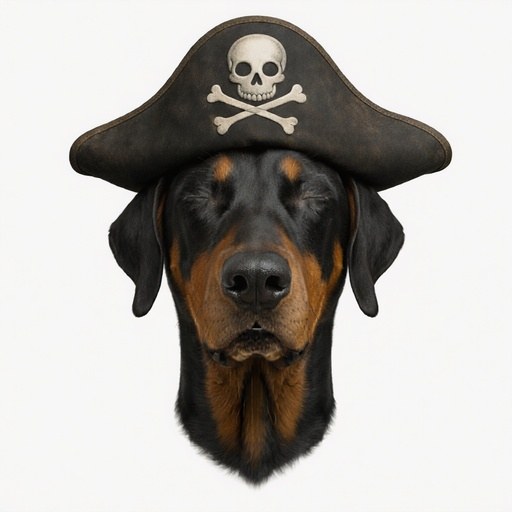
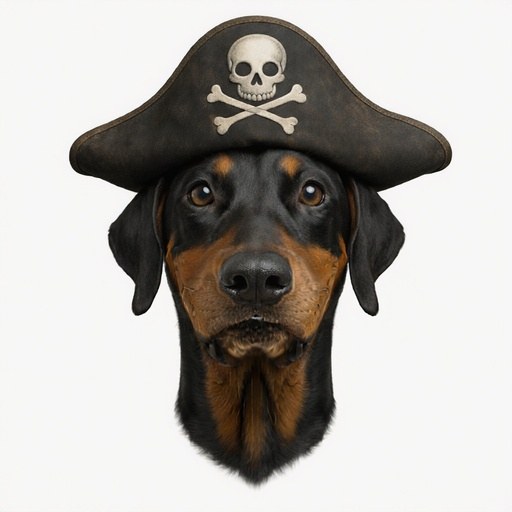
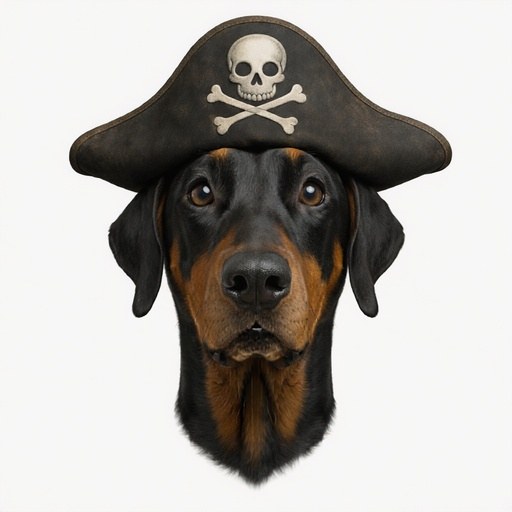
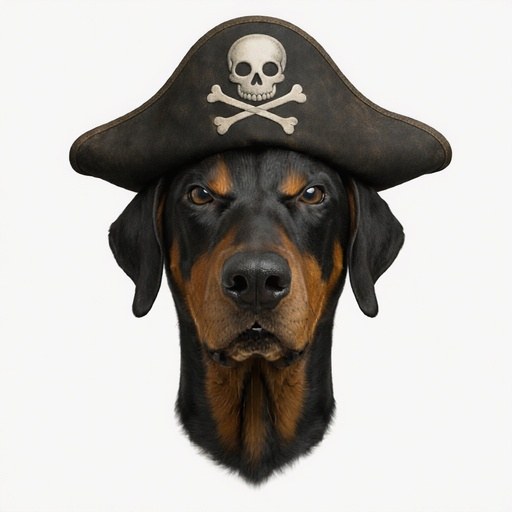
Composition & diversity
Identities are sampled as combinations of an animal (~270 species), a render style (4), a facial feature (~38), and 1–2 accessories (~57) — producing broad visual diversity across the population. Every image is model-generated; no real photographs are included.
~59% of identities are newly generated for this release; the remaining ~41% come from an earlier batch using the same expression vocabulary and models.
RENDER-STYLE DISTRIBUTION
Styles are sampled near-uniformly across the four render looks.
How it was generated
A three-stage generative pipeline: create a base head, neutralize it into a clean reference, then edit it into each expression with chained, expression-specific adapters.
Text → image
A seeded prompt (animal × style × feature × accessories) renders the base identity head.
OpenAI gpt-image-1Neutralize
The base head becomes a clean floating-head reference on a white background — the open_m_open_e frame.
Expression edits
LoRA adapters chain-edit the reference into the remaining 9 expressions, keeping identity fixed.
Qwen-Image + LoRATwo releases — same content, two resolutions
| 512 release | 1024 release | |
|---|---|---|
| Resolution | 512 × 512 | 1024 × 1024 |
| Image format | JPEG q95 | JPEG q95 |
| Identities | 33,724 | 33,724 |
| Images | 337,240 | 337,240 |
| Shards (.tar) | 11 | 34 |
| Total size | 18.96 GiB | 58.79 GiB |
| Best for | fast prototyping, light training | high-res training & evaluation |
Identical identity sets, expressions, metadata, and per-sample layout — only the resolution and size differ. Train on 512, scale to 1024 without changing any data-loading code.